Indonesia isn't one dive trip, it's several — easy reef-hopping and nightlife in Bali, sunfish off Nusa Penida, turtles in the Gili Islands, manta rays and dragons around Komodo, and some of the richest reefs on the planet out in Raja Ampat. Tell us which version you want and we'll match you with a school that actually specializes in it.
Indonesia isn't one dive trip and it isn't one network of schools either — Bali, Komodo, and Raja Ampat each need a different kind of operator, from easy shore-diving centers to liveaboard-only outfits. Tell us which island(s) you're set on (or ask us which fits your dates and budget), plus your certification level, and we'll match you with a school or liveaboard that actually specializes in that region rather than a generic booking agent.
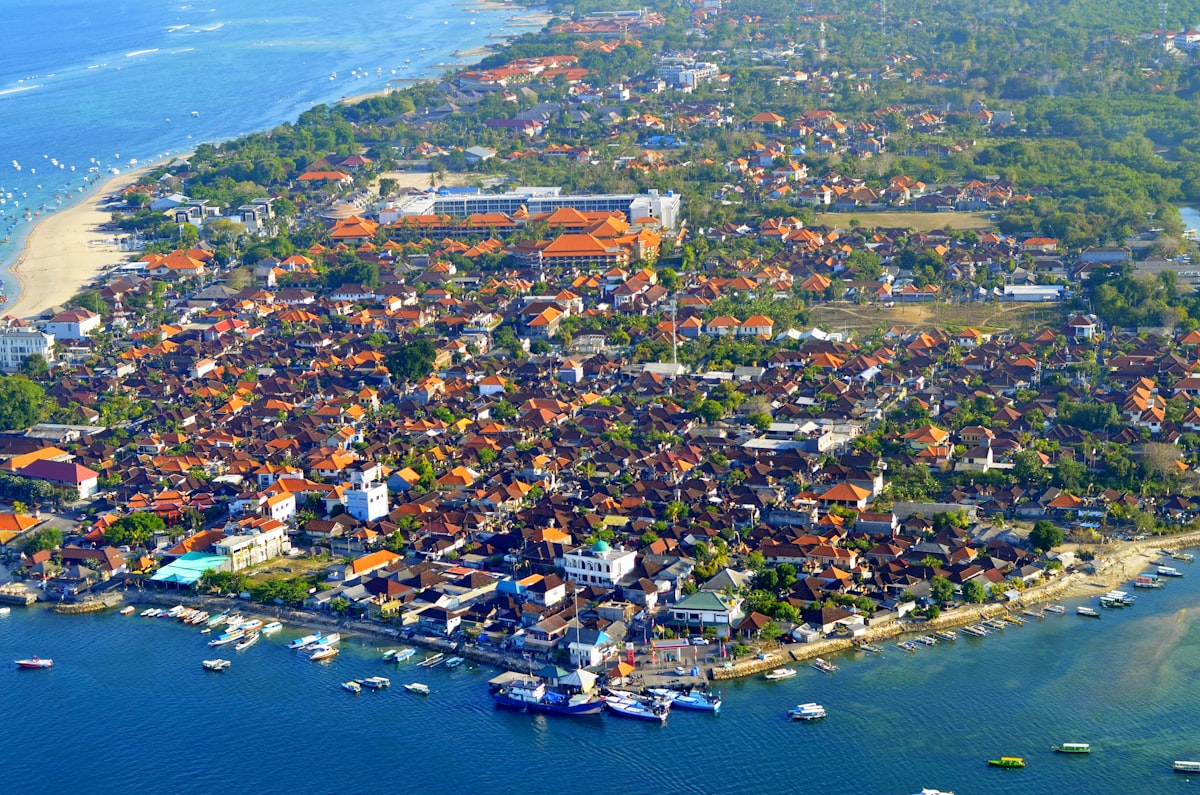
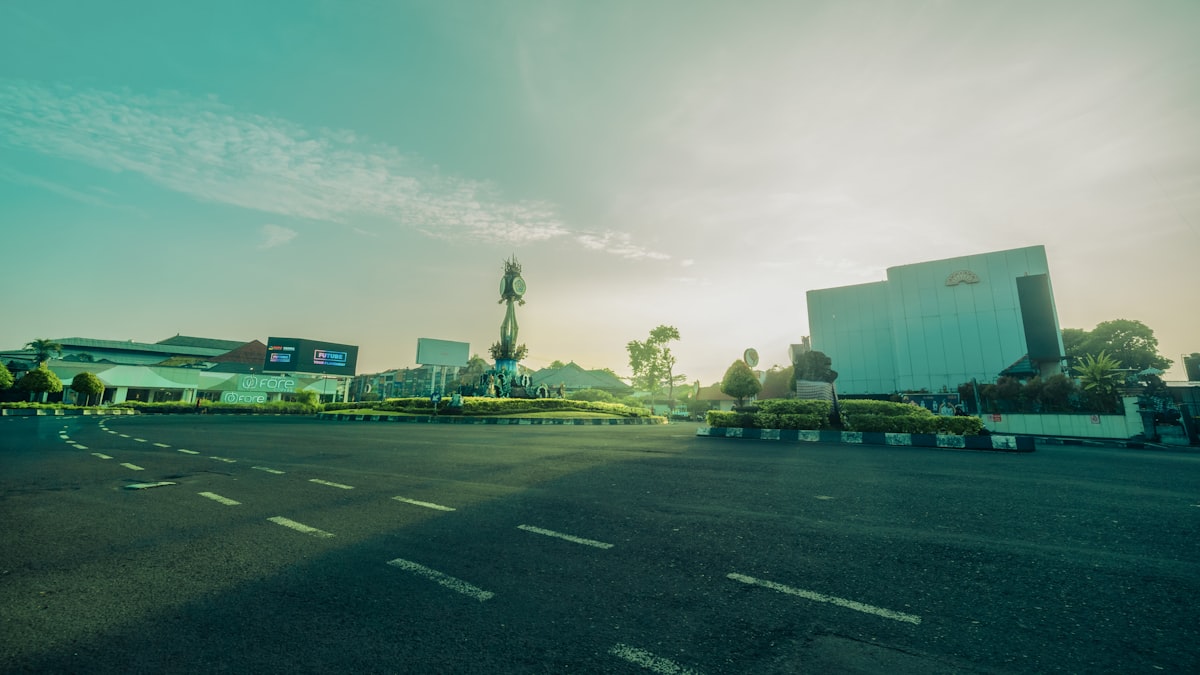
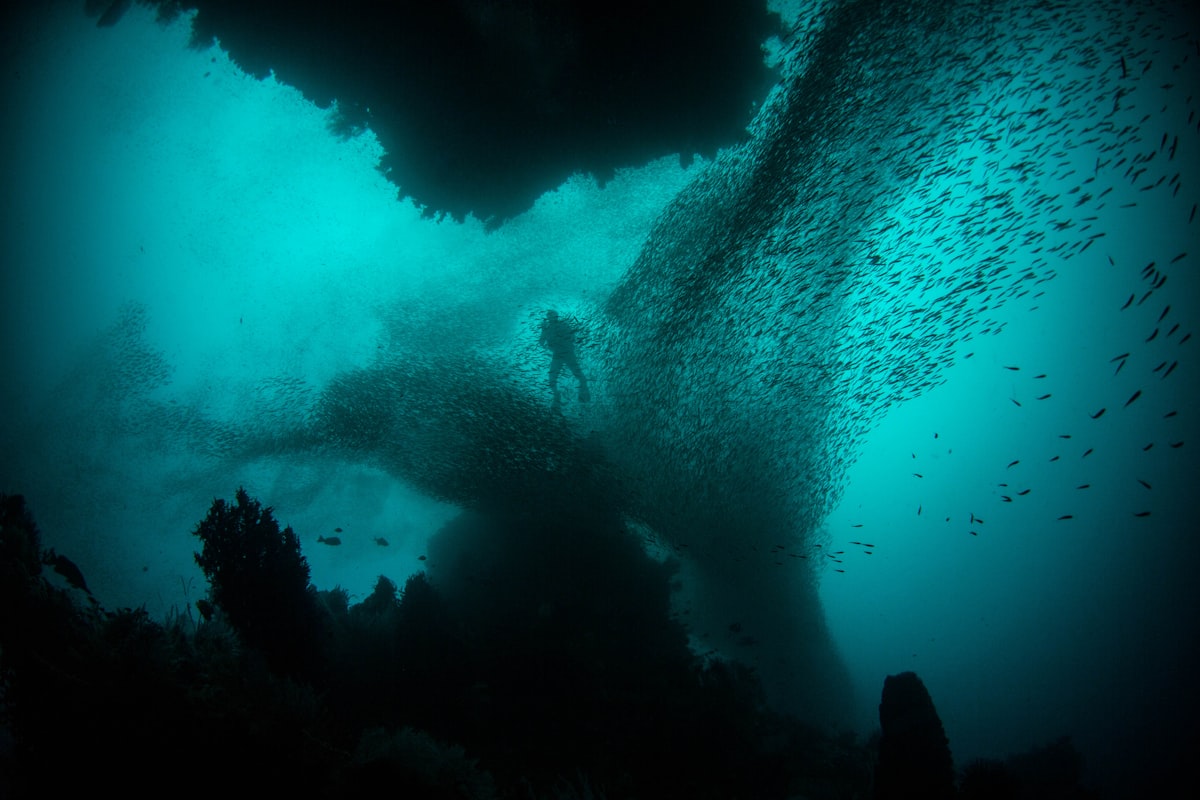
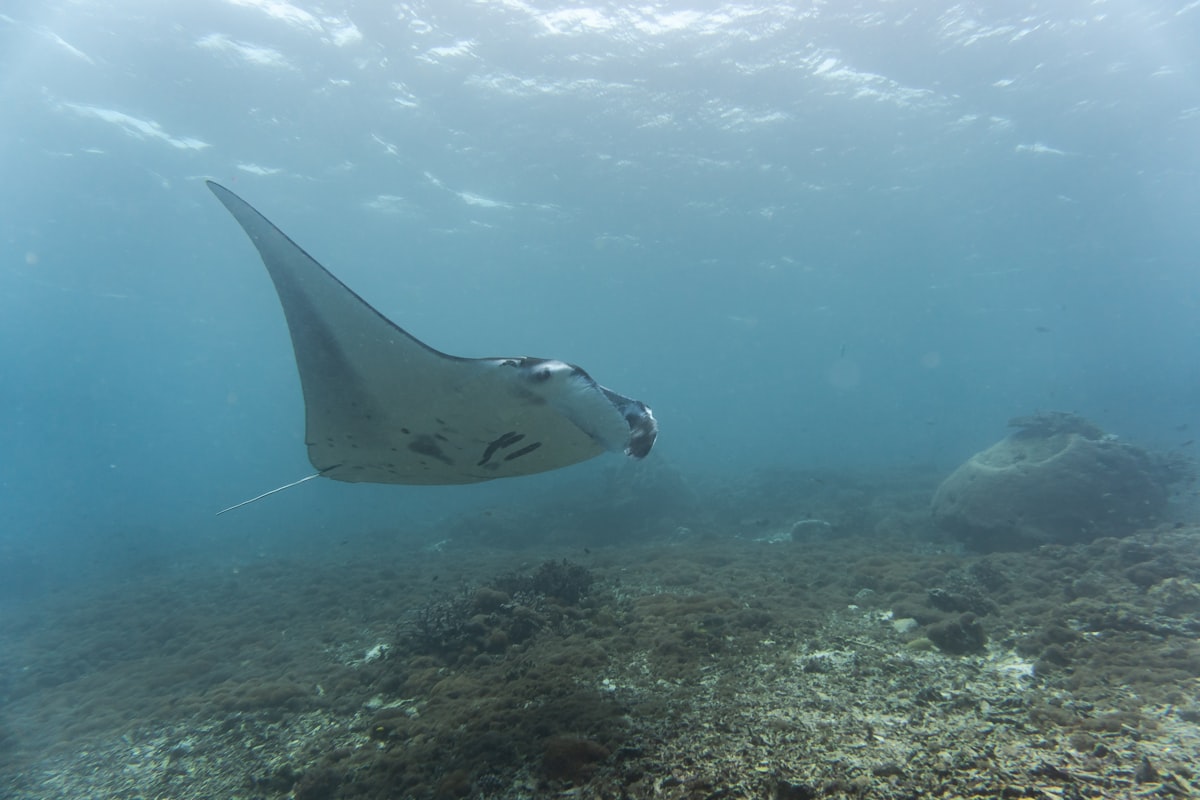
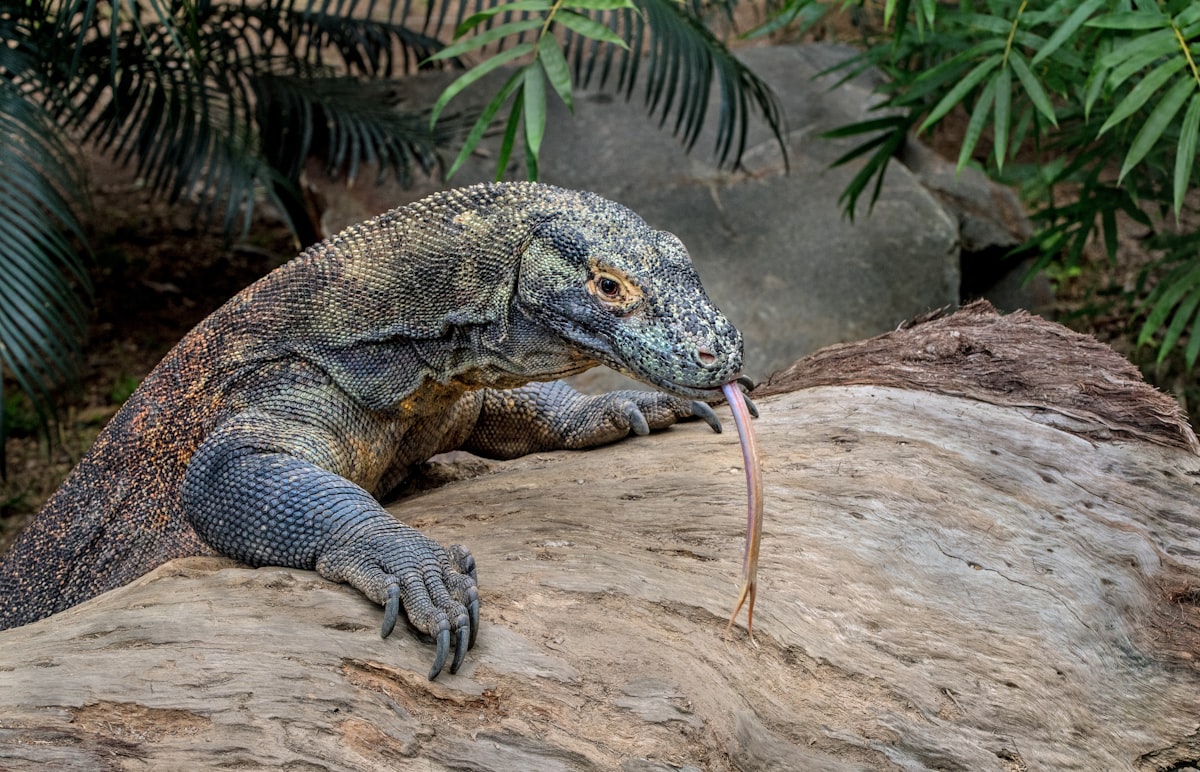
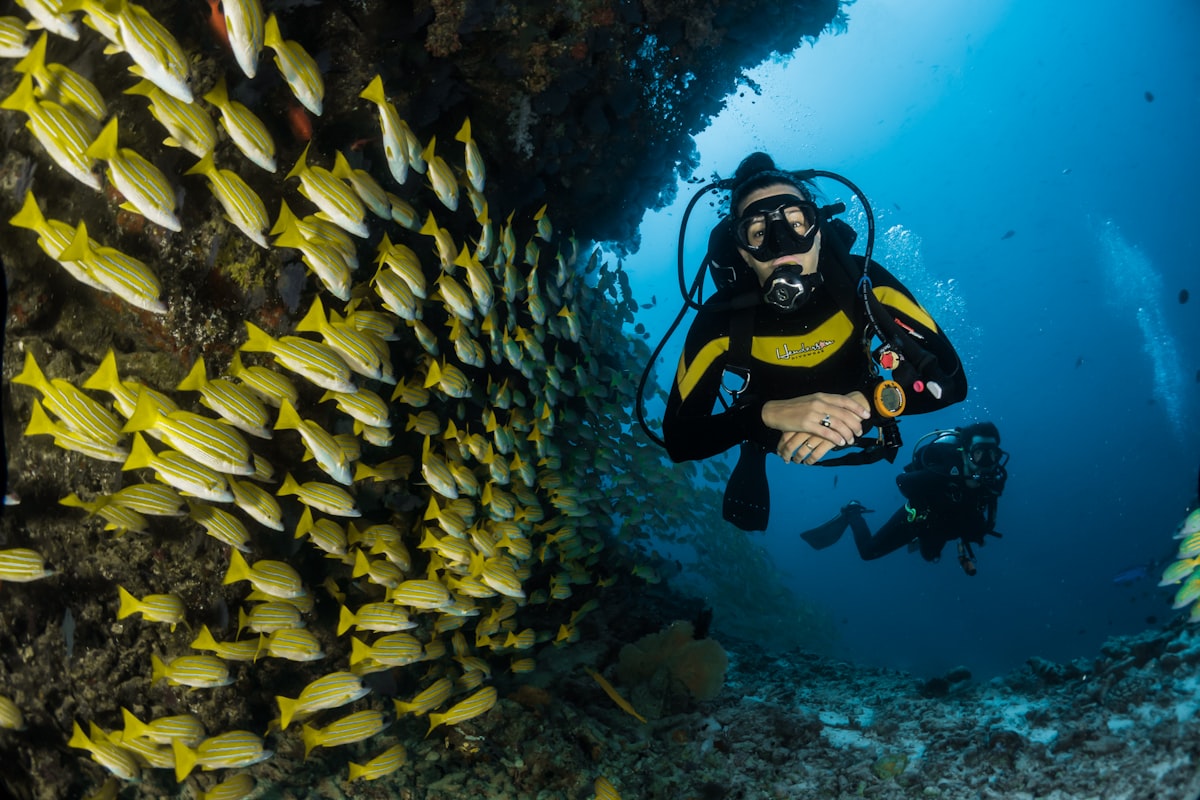
Indonesia sits at the heart of the coral triangle, the most biodiverse marine region on earth, and it's spread across thousands of islands rather than one coastline. Bali is the easiest entry point — reef and wreck diving a short boat ride from Sanur or Padang Bai, plus a proper city (Denpasar) and nightlife if you're not diving every day. Just off Bali's southeast coast, Nusa Penida is a short boat ride from Sanur and one of the most reliable places anywhere to dive with mola mola (oceanic sunfish) in season, alongside reef mantas at Manta Point. Amed and Tulamben on Bali's east coast hold the USAT Liberty wreck, one of the most accessible wreck dives anywhere. Off neighboring Lombok, the Gili Islands — Gili Trawangan, Gili Air and Gili Meno — are laid-back and easy, with turtles on nearly every dive, a good stop to slow the trip down between the bigger sites. Further east, Komodo National Park mixes strong currents, mantas, and the dragons themselves if you want a day above water. And Raja Ampat, out past Sorong in West Papua, is the reef biodiversity capital of the world — remote, liveaboard-heavy, and worth building a whole trip around.
Conditions vary a lot by region and Indonesia is large enough to always have somewhere diveable. Bali and Komodo are generally best April through November, outside the wet season. Raja Ampat runs a slightly different window, typically October through April, when the water is calmest for liveaboard crossings. Tell us your travel dates and we'll steer you toward the region that actually suits them rather than fighting the calendar.
Bali has the easiest logistics — an international airport, resort infrastructure, and schools used to every experience level, including total beginners. Komodo is usually reached via Labuan Bajo, and a lot of the diving there runs from liveaboards rather than day boats because the good sites are spread out. Raja Ampat is the most remote and the most expensive to get to — flights to Sorong plus a boat transfer — so it's worth combining with a liveaboard rather than a single dive center. Strong currents show up in both Komodo and Raja Ampat, so let us know your certification level and dive count; we'll match you with schools that fit your experience, not just your destination.
Give us your dates, level, and which island(s) you're thinking — we'll reply personally with a school that fits, usually within a day.
Get matched with a school